Rethinking saturated fats
A paper that will most likely raise a lot of controversies was published in JACC beginning of august 2020, one of the top scientific journals in cardiology. The article goes through a lot more then I cover here, but I wanted to make accessible one of the main reasons why saturated fats have been erroneously demonized (if LDL and cholesterol are all clear for you here’s my main point: Under the presumption that either LDLc or all LDLp were important contributors to atherosclerosis, a diet that showed an increase in either of these was (and still is by most) considered dangerous and to be avoided).
So what’s LDL?
LDL refers to low-density lipoprotein. This term is often confounded with
cholesterol as a molecule. Let’s first describe how these 2 terms differ.
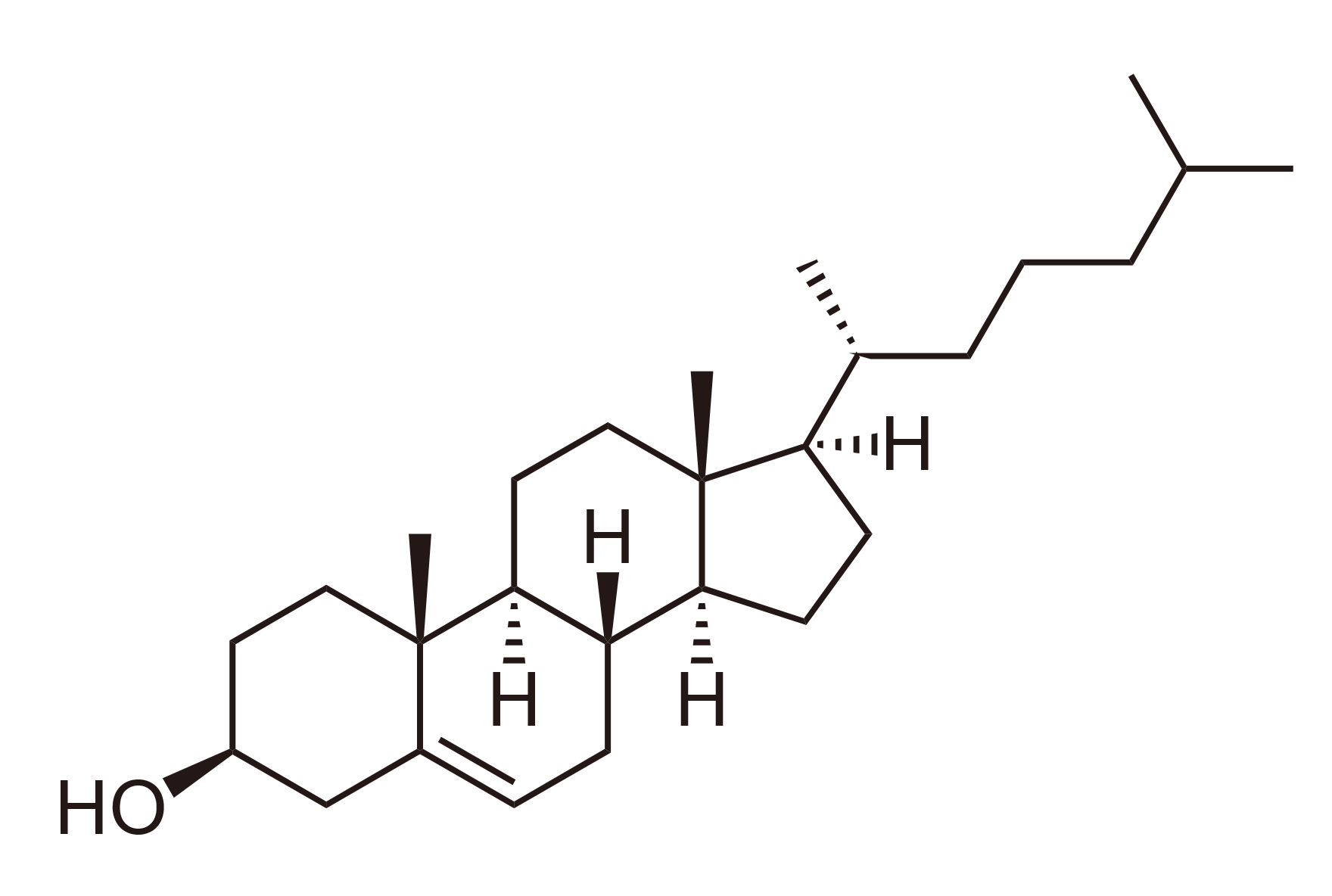
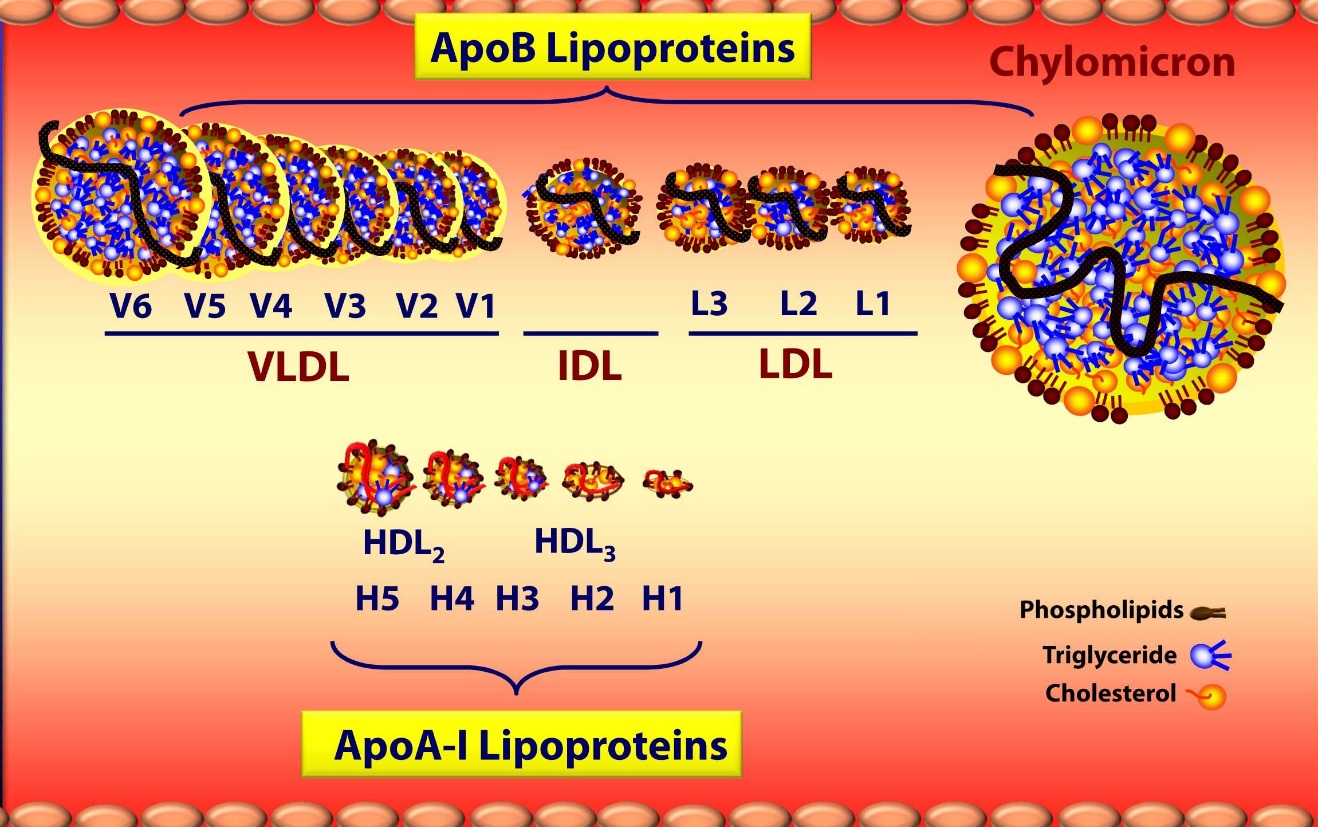
It turns out that within what was classified long ago as LDLp, there is a range of particle sizes. Their sizes have an impact on how likely you will be to build plaque in your vessels, the smaller the particle, the more plaque (atherosclerosis) you might build. So, while the LDLc may be associated with plaque build-up at population levels, it is a crude metric that hides a stronger signal.
Historically, we grew our understanding of the lipoprotein’s contribution to the progression of atherosclerosis from LDLc to LDLp and now small LDLp. This review; Saturated Fats and Health: A Reassessment and Proposal for Food-Based Recommendations(2), lead by one of the world’s lipoprotein experts Dr. Ronald Krauss, challenges the current nutritional guidelines on the saturated fat intake that were founded on our previous understanding of LDL’s role in atherosclerosis. Under the presumption that either LDLc or all LDLp were important contributors to atherosclerosis, a diet that showed an increase in either of these was (and still is by most) considered dangerous and to be avoided. Their extensive review makes the point that despite an increase in LDLc or overall LDLp in people that have a diet high in saturated fat from dairy, dark chocolate, or unprocessed red meat, in most cases, their all-cause mortality risk is reduced. This is not the case of people who have an increase in small LDLp, which is strongly associated with atherosclerosis progression.
Cynicism and confusion towards dietary guidelines
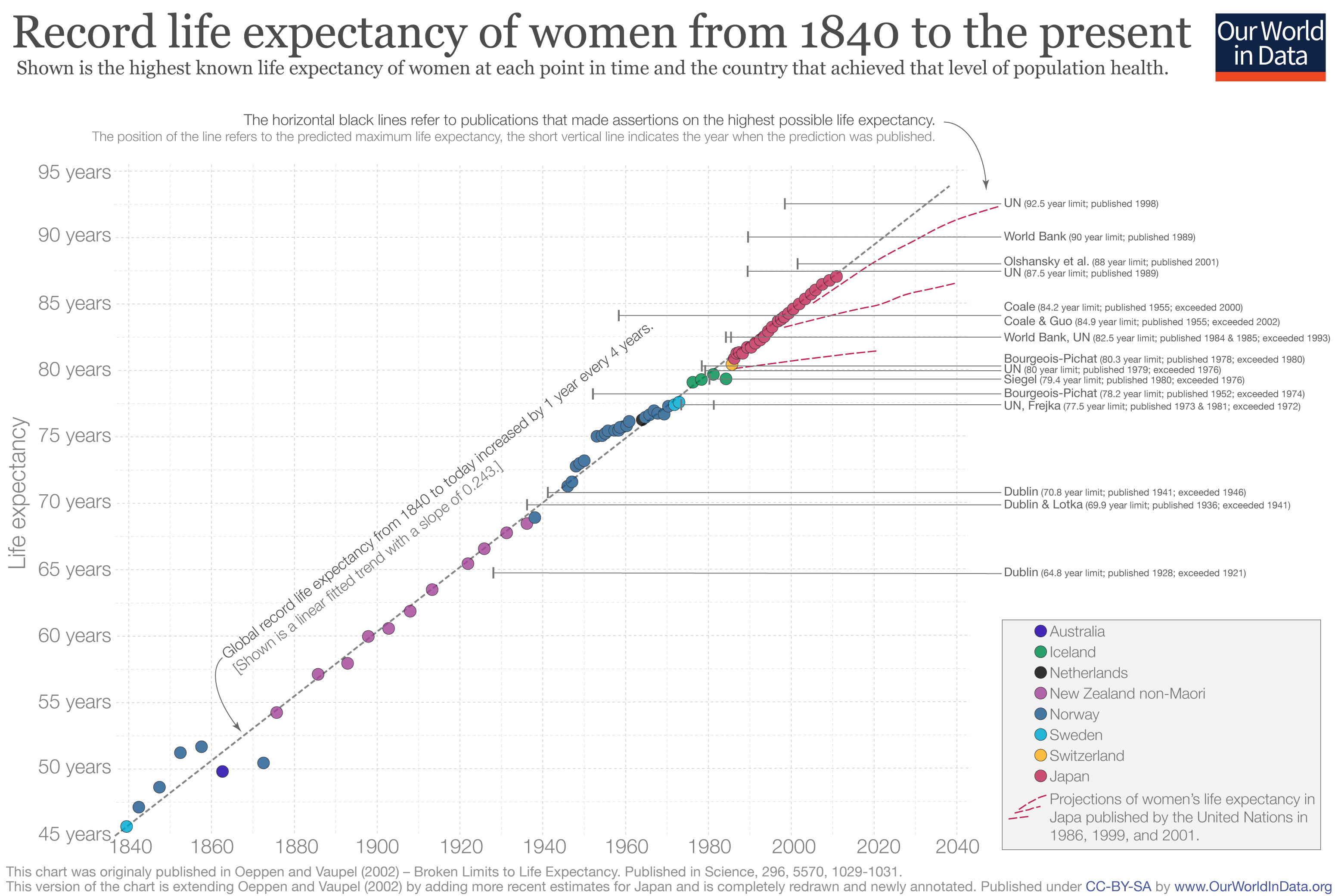
With changing nutritional guidelines, understandably, many become confused or cynic about them. While there are clearly some examples of policies that were influenced by entities incentivized by pure economic gain (like the cigarette or sugar industries) resulting in detrimental populational health, science has guided nutritional guidelines for the better. We enjoy longer and fuller lives because of it. The figure below shows the staggering progress science has provided to our longevity. We make decisions with the best information we have at the time, and that information keeps getter more accurate, from better technology and more research, but also changes focus on the new problems that emerge after we solved the previous ones. While the challenge at the beginning of the century was to feed enough calories to people, today this problem affects a minority of the world population. Industrial monoculture of grains was a great solution for this early 20th-century problem, but today we face a different one. Reducing the damage of 80 decades of life requires a different approach, one oriented towards increasing the nutrients in our diet (fibers, vitamins, and minerals), and reducing our simple sugar consumption.
How should we apply this to our lives?
In the end, the take-home message is that saturated fats, as a group of molecules, don’t seem to have a causal role in our risks of cardiovascular diseases, and what matters is where these saturated fats came from (what food it was packaged into). The consumption of unprocessed foods high in saturated fats is a healthy option for most (a subset of the population may not metabolize these fats as efficiently and benefit from diets lower in saturated fats).
If you want to dive deep in this subject, here is an interview with Dr. Krauss from my favorite podcast The Drive.
BIBLIOGRAPHY
-
Zhang, J.; Li, Q.; Wu, Y.; Wang, D.; Xu, L.; Zhang, Y.; Wang, S.; Wang, T.; Liu, F.; Zaky, M. Y., Cholesterol content in cell membrane maintains surface levels of ErbB2 and confers a therapeutic vulnerability in ErbB2-positive breast cancer. Cell Communication and Signaling, 2019, 17 (1), 1-12.
-
Astrup, A.; Magkos, F.; Bier, D. M.; Brenna, J. T.; de Oliveira Otto, M. C.; Hill, J. O.; King, J. C.; Mente, A.; Ordovas, J. M.; Volek, J. S., Saturated Fats and Health: A Reassessment and Proposal for Food-based Recommendations: JACC State-of-the-Art Review. Journal of the American College of Cardiology, 2020, 76 (7), 844-857.

Francis Leblanc
PhD student in Bioinformatics
I am passionate about leveraging new omic technologies to enhance human healthspan.